
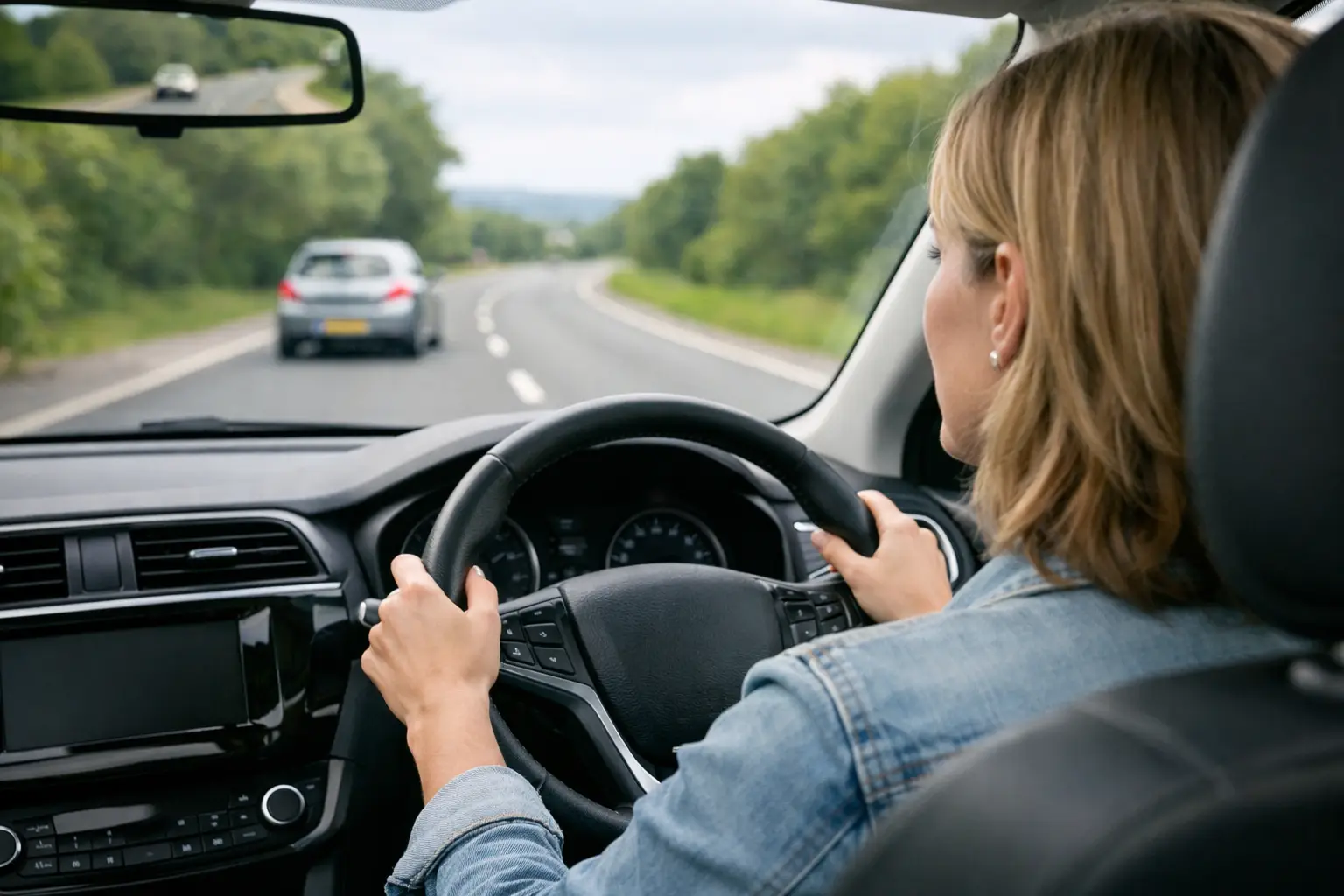
The first time you sit behind the wheel after months or years away, even familiar controls can feel oddly foreign. Your hands may grip the steering wheel too tightly, your mind may race ahead to every possible mistake, and a simple roundabout can suddenly seem like a major event. The good news is that learning how to restart driving confidence is not about pretending you are not nervous. It is about rebuilding trust in your skills, one manageable drive at a time.
A break from driving happens for all sorts of reasons: moving closer to work, relying on public transport, raising a family, recovering after an accident, or simply losing the habit. None of these means you have failed as a driver. Confidence is a skill, and skills return with calm, purposeful practice.
Start where your confidence actually is
A common mistake is to judge yourself by where you think you should be. Perhaps you passed years ago, drove every day in the past, or feel pressure to take on school runs or motorway journeys immediately. That pressure can turn a refresher drive into a test before you have even left the kerb.
Instead, be honest about what currently feels comfortable and what makes your stomach tighten. You may feel happy checking mirrors, moving off and driving along quiet residential roads, but less certain with busy junctions, parking or dual carriageways. That is useful information, not a weakness. It gives you a starting point.
Choose a first route that is short, familiar and forgiving. Quiet roads at a less busy time of day are usually better than a packed retail car park on a Saturday afternoon. Give yourself a clear, modest goal, such as driving for 20 minutes, practising left and right turns, or parking safely outside home. Finish while the drive still feels manageable. A positive ending matters.
Get reacquainted with the car before the road
Much of the early anxiety comes from trying to remember several things at once. Before setting off, take a few minutes while safely parked to reset the basics. Adjust the seat so you can fully press the pedals, set the mirrors, check where the demisters and lights are, and remind yourself how the handbrake or parking brake works.
If you are driving a different car from the one you remember, allow for an adjustment period. The clutch bite point may feel different, visibility may change, and newer dashboard controls can be distracting. Automatic cars remove clutch and gear selection from the equation, which can be a real confidence boost for some returning drivers. A manual can still be the right choice if it is what you own or prefer. The best option is the one that lets you focus most clearly on the road.
Before you move, quietly talk yourself through the routine: doors secure, seat and mirrors set, gear selected, observations made, move off smoothly. This is not silly. It gives your brain a reliable sequence to follow when nerves try to take over.
How to restart driving confidence through small wins
Confidence rarely arrives in one dramatic moment. It grows when you repeatedly prove to yourself that you can handle the next small task safely. Build your practice in layers rather than jumping straight to the hardest route.
Start with quiet streets and simple junctions. When that feels steadier, add slightly busier roads, traffic lights and roundabouts you know well. Then introduce the skills that make you hesitate most, perhaps bay parking, meeting oncoming traffic on narrow roads, driving in the dark or joining a dual carriageway.
Repeat routes at first if it helps. Familiarity reduces the number of decisions you need to make, leaving more mental space for steering, positioning and observation. Once a route feels routine, change one element only: drive it at a different time, take a new exit at a roundabout, or park somewhere less familiar.
Keep a brief note after each drive. Write down one thing that went well and one thing to practise next time. “I kept good space from the car ahead” is evidence. “I felt tense at the roundabout but got through it safely” is progress too. This stops one awkward moment from becoming the whole story of your drive.
Practise the situations you have been avoiding
Avoidance feels helpful in the short term. If a particular junction unsettles you, taking the longer route around it can bring instant relief. But when avoidance becomes a habit, the road feature often grows scarier in your mind than it is in reality.
Approach difficult situations in stages. If multi-lane roundabouts are the worry, begin with a small roundabout when traffic is light. Refresh lane discipline, mirror checks, signalling and approach speed. Progress to a larger roundabout with someone calm and experienced beside you, then repeat it until the process feels less rushed.
The same approach works for parking. Do not wait until you urgently need the last space outside the supermarket. Practise in a quiet, mostly empty car park, using reference points and taking your time. Being able to pause, straighten up and try again is normal driving, not a sign that you cannot park.
If you have had an accident or a particularly frightening experience, take this more gently. You may benefit from professional refresher lessons, especially if anxiety makes you freeze, panic or avoid driving altogether. There is no prize for forcing yourself into a situation before you are ready.
Bring a calm plan to every journey
Nerves increase when a journey feels uncertain. A few minutes of preparation can make a noticeable difference. Check the route beforehand, allow extra time and make sure your phone is set up safely before you move off. If possible, avoid arranging your first few drives around an appointment where being late would make you more stressed.
Give yourself permission to make sensible adjustments. If you miss a turn, keep going and find a safe place to reroute. If conditions are poor, slowing down and increasing your gap is good judgement. If you need a break on a longer drive, take one. Safe driving is not about being flawless or fast; it is about making sound decisions.
It also helps to change the language you use in your head. Replace “I cannot do this” with “I am practising this.” Instead of “Everyone is waiting for me”, try “I can take the time I need to make a safe decision.” Other road users may occasionally be impatient, but their impatience does not get to decide your driving.
Consider refresher lessons with an instructor
A supportive instructor can make restarting far less daunting because the session is built around your needs, not a standard beginner syllabus. You can refresh clutch control, manoeuvres, roundabouts, parking, country roads, night driving or motorways without feeling judged for asking basic questions.
For returning drivers in Peterborough and the surrounding area, D4Driving School of Motoring can tailor refresher lessons to the skills and roads that matter to your everyday life. One-to-one coaching gives you time to identify what is causing the nerves, practise it safely and see measurable improvement rather than simply hoping confidence comes back.
A professional lesson can also help correct small habits that may have crept in over time, such as weak mirror checks, poor road position or uncertainty at complex junctions. This is not about being told off. It is about having clear feedback from someone who knows how to turn uncertainty into a practical plan.
Know when to slow the process down
A little nervousness is normal when returning to driving. It can even make you more attentive. However, if your anxiety causes panic symptoms, affects daily life, or leaves you unable to make safe decisions, do not try to push through alone. Speak to a qualified instructor, and consider additional support from a healthcare professional if anxiety is becoming overwhelming.
Confidence does not mean never feeling a flutter before a difficult journey. It means knowing you have the skills, judgement and plan to deal with that flutter safely. Start with one calm drive, then another. Before long, the car will stop feeling like a test and start feeling like what it should be: your route to more freedom.