
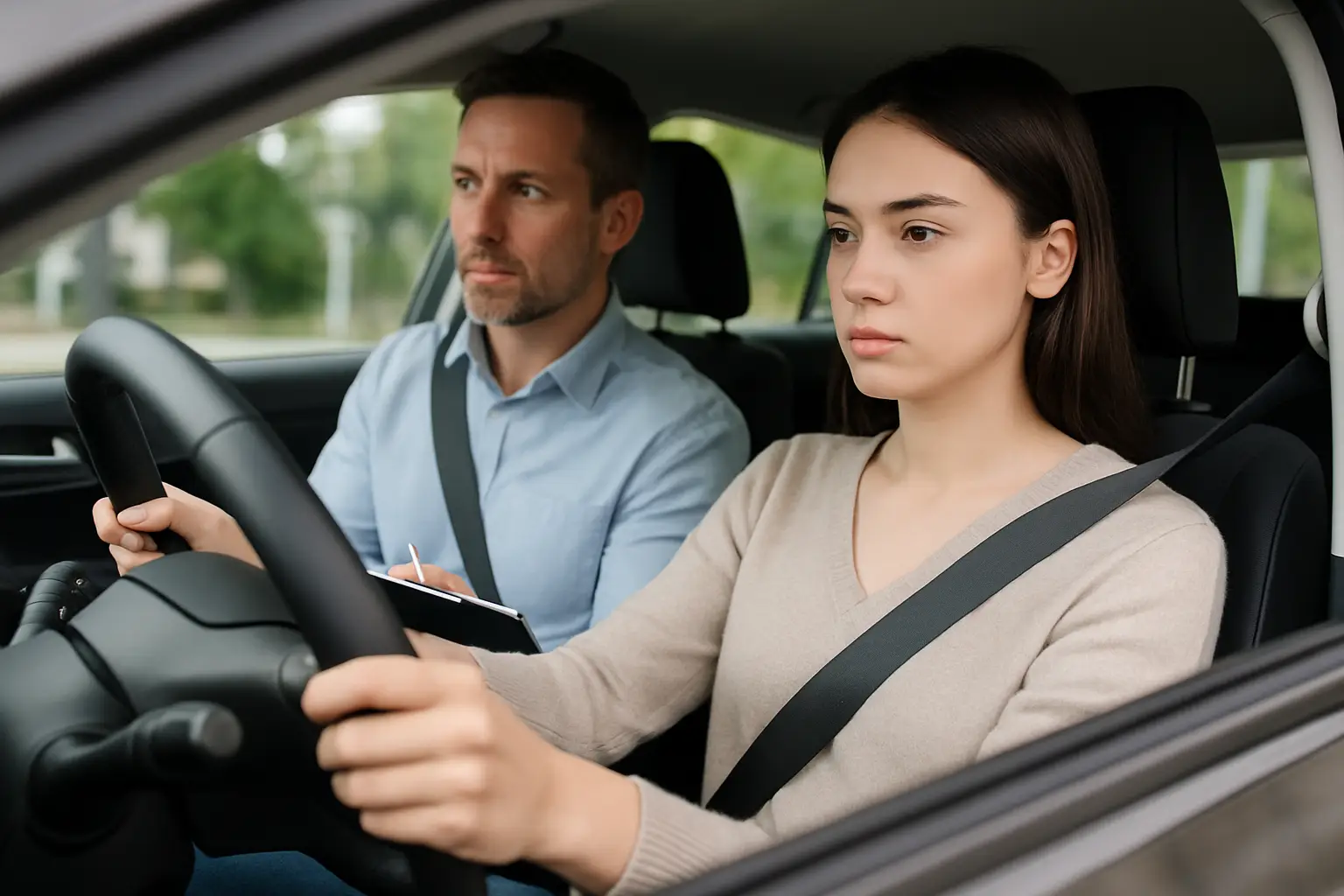
You’ve booked an automatic lesson for an hour and suddenly it feels… small. You’re thinking about roundabouts, parking, meeting traffic on narrow streets, and that moment when your brain goes blank at a junction. Can 60 minutes really help?
Yes - if the hour is taught properly and used for the right purpose. A one-hour automatic lesson can be a brilliant way to build confidence, practise a specific skill, or keep momentum between longer sessions. It can also feel rushed if you’re trying to cram in everything at once.
This is what to expect from an automatic car lesson 1 hour long, how to make it work for your learning style, and when it’s smarter to choose 90 minutes or two hours instead.
What a 1-hour automatic lesson is best for
An hour works best when there’s a clear focus. Automatic cars remove clutch control and gear changes, which frees up mental space. That means you can often make meaningful progress in a short session - especially if you’re nervous and prefer learning in manageable blocks.
For many learners, one hour is ideal for building consistency. You can practise regularly without feeling drained, and you’re less likely to finish the lesson overwhelmed. That matters, because confidence grows faster when each session ends with you feeling capable, not frazzled.
Where an hour shines is targeted practice: one or two key goals, repeated enough times that your brain stops treating them as “new”. That repetition is what turns a skill into something you can do under pressure.
What you can realistically cover in an automatic car lesson 1 hour
What you cover depends on your starting point, the traffic, and how quickly you settle. But in practical terms, an hour usually allows time for a short recap, focused driving practice, and quick feedback at the end.
For a complete beginner, that might mean learning the cockpit drill, moving off and stopping smoothly, steering control, and basic observation routines. In an automatic, we can often get you moving confidently earlier because you’re not juggling clutch bite and gear timing.
For an early-stage learner, an hour can be perfect for junction routines: approaching safely, selecting the right position, judging gaps, and building a calm “look, decide, act” habit. You might repeat a set of similar junctions so you start to recognise patterns rather than treating each one like a brand-new problem.
For more experienced learners, one hour is often enough for a dedicated session on roundabouts, independent driving practice, parking (one manoeuvre at a time), or dealing with complex road layouts. If you’re nearing test standard, an hour can be used for mock test sections or tightening up recurring faults such as hesitation, planning too late, or drifting within your lane.
The trade-off is time. If you need to cover multiple areas because you haven’t driven for a few weeks, you may spend a chunk of the hour simply settling back in.
The hidden time you should account for
Learners often imagine “one hour” means 60 minutes of constant driving at their chosen level. Real lessons need a little structure, and that’s a good thing.
You’ll normally take a couple of minutes at the start to set a goal and check where you left off last time. If you’re meeting somewhere busy, you may also need a short warm-up to get into a safe flow before tackling the main task.
At the end, a quick debrief matters because it turns driving into learning. You want to leave knowing what improved, what needs work, and what you’ll practise next. That feedback is how you get measurable progress rather than “I drove around for a bit.”
If your lesson starts with a pick-up or ends with a drop-off, that’s still valuable driving time, but it might not match the exact topic you want to focus on. If you need an intense session on, say, bay parking, it helps to meet near a suitable car park so the hour isn’t eaten by travel.
Who should choose one-hour automatic lessons
One-hour automatic lessons suit learners who want steady progress with low stress. If you’re anxious, easily tired by concentration, or balancing driving with college, work, or family life, an hour can be a comfortable rhythm.
They also work well if you’re already practising in a private car and want professional coaching to correct habits. In that situation, a focused hour with an instructor can save you weeks of repeating the same mistakes.
If you’re returning to driving after a long break, an hour can be a gentle re-entry. Confidence comes back quickly when the sessions feel achievable.
When one hour might not be enough
There are times when 60 minutes will feel tight. If you’re travelling to a new area for test preparation, or you want to practise several topics in one session, a longer block often gives you breathing space.
Complex skills can also benefit from extra time. Roundabouts, for example, often need a settling-in period. The first few attempts can feel messy, then something clicks. A 90-minute or two-hour lesson gives you time to reach that “click” moment and repeat it enough that it sticks.
The same goes for manoeuvres. The first attempt might be mostly guidance and talk-through. The real learning comes from your second, third, and fourth tries, when you start making decisions independently.
And if you’re close to test day, you may find longer sessions better for building stamina. The practical test is around 40 minutes, and nerves can make it feel longer. Driving for 90 minutes with breaks for feedback can make test day feel more manageable.
How to get the most out of your hour
An hour can be powerful when you treat it like a training session, not a sightseeing drive.
Arrive with one clear priority. If you say, “I want to get better at roundabouts,” that’s a start, but it’s even better to be specific: “I’m struggling with lane choice and timing at busy roundabouts.” That tells your instructor what to watch for and what to coach.
Be honest about what’s going on in your head. If your hands shake at junctions, or you panic when someone is close behind, say so. Confidence isn’t just about car control - it’s about learning to make safe decisions under pressure.
Between lessons, do a quick mental recap. Think about one thing you did well and one thing you want to improve. That reflection makes your next hour more productive because you start with direction.
Also, don’t chase perfection. In an automatic, learners sometimes expect to be “good” quickly because the car feels easier. But safe driving is still a full skill set: observation, planning, positioning, speed control, and judgement. The aim is progress you can repeat, not a one-off good moment.
Automatic does not mean effortless - and that’s a good thing
Automatic tuition removes the mechanical workload, but it doesn’t remove responsibility. You still need smooth control, especially with speed. Many new automatic drivers press the accelerator too sharply or rely on braking late. A well-taught lesson will help you build gentle, progressive control so the car feels calm and predictable.
You’ll also learn to use the car’s creep and braking effectively in slow traffic and parking. Done properly, that makes manoeuvres less intimidating because you’re moving at a truly controlled pace.
If you’ve chosen automatic because you want a simpler learning experience, you’re not taking a shortcut. You’re choosing a route that suits how you learn. The goal is the same: safe, confident, independent driving.
What progress looks like after a few one-hour lessons
Progress in driving often shows up as fewer “surprises”. You start spotting hazards earlier. Your junction approaches feel calmer. You stop needing reminders for mirrors and signals because they become part of your routine.
After a few focused one-hour sessions, many learners notice they can hold a safe plan in their head while driving. Instead of reacting to every car and sign, you start anticipating: “There’s a roundabout coming, I need to choose my lane early, check mirrors, adjust speed, and be ready to stop.” That is the shift from coping to driving.
If you’re not feeling that shift, it doesn’t mean you’re failing. It usually means you need either more consistency (less time between lessons), a clearer focus, or a longer session to allow skills to bed in.
Booking the right lesson length for you
The best lesson length is the one that fits your concentration span and your life. If an hour keeps you consistent and confident, it’s a smart choice. If you regularly feel you’re only just getting into the flow when time is up, try 90 minutes or two hours and see the difference.
A patient instructor should be able to adapt the plan to your pace - whether that means breaking a bigger skill into small steps across several one-hour sessions or using longer lessons to build test readiness.
If you’re looking for one-to-one automatic tuition with tailored lesson plans and clear time blocks in Peterborough, with dedicated test preparation sessions also available in Kettering and Grantham, you can book with D4Driving School of Motoring and choose the lesson duration that matches your goals.
Driving isn’t about doing everything at once. It’s about doing the next right thing, calmly, until it becomes yours.